Why 63% of Breaches Target Organizations with Manual Risk Processes
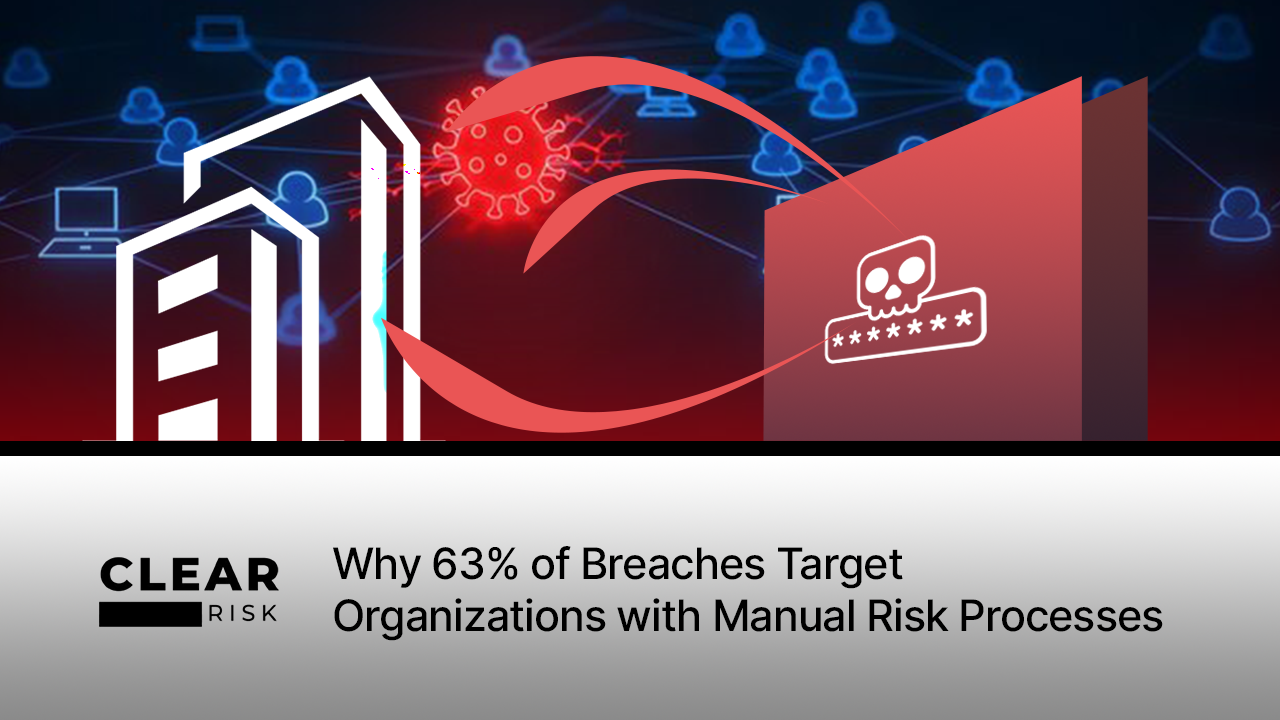
You use spreadsheets for numbers, lists, and day-to-day chores. When those same sheets hold risk registers, vendor credentials, or patch trackers, you raise a big red flag. Reports suggest many breaches hit organizations that still run risk work by hand, and the average breach cost reaches about $4.88 million, a number that gets CFOs' attention fast.
The Spreadsheet Danger: manual risk management risks
Spreadsheets multiply exposure when copies live in email, shared drives, and personal folders. They often contain sensitive information, and hidden macros or formulas can carry code that attackers exploit.
A quick and practical step is to run a week-long search across cloud and email systems to identify high-risk files and then lock sharing rights. This small move closes off obvious holes and reduces the chance of leaving critical data exposed.
How AI-enabled attackers spot and exploit gaps
AI tools can scan public code, cloud buckets, and document links and find exposed spreadsheets within minutes. Generative models let threat groups write convincing phishing messages or malicious macros almost instantly. That combination means a small slip can turn into a big problem long before humans spot it.
Using data loss prevention and cloud search tools helps uncover what you did not know was sitting unprotected. Attaching an ownership tag to files ensures someone is responsible for reacting when an alert appears. Running short, frequent phishing simulations also helps staff recognize fakes, lowering the odds of a real attack working.
Why spreadsheets fail: three everyday problems
• Version chaos, where nobody knows which file is the single truth.
• No live alerts, so harmful data sits in files until someone happens to notice.
• Weak audit trails that make regulator questions painful and costly.
What live risk scoring looks like
A live scoring system pulls signals from endpoints, cloud logs, identity systems, and external feeds. Each risk gets a score that updates whenever conditions change. This shifts the view from static snapshots to a living picture of exposure.
Tools such as Prompt Sapper show how AI chains can combine multiple inputs, add contextual notes, and produce a fast score that points humans to the most urgent items. Running a shadow scoring model for a month is one of the easiest ways to see the gaps in manual reviews. It lets teams compare machine-detected issues with what humans caught and tune the model so it acts only when confidence is high.
Prompt Sapper is not magic, but it makes building and connecting these scoring steps simpler. It turns scattered data into a signal that is clear and timely, giving leaders a faster way to decide what needs fixing right away.
Regulators are paying attention
NIST has stressed the need for continuous checks and testable controls. Draft guidance for 2025 points out that organizations must show evidence of monitoring on an ongoing basis, not just once a year.
CISA has warned about spreadsheet vulnerabilities and the way shared files leak secrets. The Known Exploited Vulnerabilities list remains a vital tool for prioritizing what needs to be fixed first.
The SEC has increased enforcement around recordkeeping and weak controls. Companies now face greater pressure to provide machine-readable proof of actions and clear chains of accountability. Relying on emailed spreadsheets as evidence does not meet that bar.
Real stories that prove the point
A healthcare group discovered an exposed spreadsheet that had been indexed by a public search engine. An automated score flagged the exposure, and a playbook quickly removed access and rotated keys. The incident never escalated into a breach, sparing the organization millions of dollars and untold stress.
Other smaller firms have seen similar results. When they shortened detection time even by a single day, they cut potential damage by hundreds of thousands. These are not hypothetical savings. They are the difference between keeping operations running smoothly and facing days of downtime, lawsuits, and regulatory questions.
How to move rows out of spreadsheets into a live model
Start by listing every spreadsheet with sensitive data. Convert each row into a structured record with an assigned owner and a clear status field. That ensures accountability and gives visibility into who is responsible for follow-up.
The next step is connecting detection alerts directly into this store so a security event becomes a tracked record, not a buried row in an old file. Adding short notes and linking each record to evidence or tickets also makes life easier when auditors come knocking.
A trial period helps build trust. Run the scoring engine in read-only mode for a month, compare it to manual work, and then turn on automated actions for the issues you are most confident about. This staged approach helps teams build confidence without losing control.
Tools that make scoring and playbooks practical
There are modern tools that help map suspicious events to known attacker techniques and keep detailed records of actions taken. MITRE ATT&CK provides a shared language to describe what is happening, which helps teams and auditors agree on the meaning of alerts.
A simple start is to map a handful of high-risk findings to ATT&CK techniques and create a straightforward playbook for each. For example, revoke access when credentials show up in the wrong place. Over time, you can add more feeds and automate more steps.
Small, low-friction wins like this encourage adoption. Teams see value quickly, and leaders get measurable improvements they can present in reports.
Quick numbers to keep on hand
Average breach cost sits near $4.88 million, according to the latest reports. Human error still accounts for a large portion of breaches, meaning manual steps carry heavy risks.
Board-ready KPIs include time to detect, time to contain, and the percentage of critical risks with assigned owners. Showing these numbers regularly builds trust that your program is improving and worth ongoing investment.
A short 90-day action plan
• Weeks 0 to 2: run a full spreadsheet inventory, block unknown macros, and remove risky sharing links.
• Weeks 3 to 8: launch a shadow scoring pilot, map top items to MITRE ATT&CK, and test one automatic playbook.
• Weeks 9 to 12: create audit-ready evidence packs with logs, ownership attestations, and a summary for the board.
During these weeks, do not overlook the human element. Celebrate quick wins and give owners recognition when they fix issues promptly. Simple cultural changes build momentum that supports technical progress.
Final call to act
If your risk work still sits in spreadsheets, you are giving attackers an easy opening. You do not need to overhaul everything at once, but you should start by taking small, visible steps this week.
When you are ready to replace outdated sheets with smarter, live scoring, and clearer accountability, connect with ClearRisk through their contact page. Their team can guide you toward a setup that matches modern threats and prepares you for regulator scrutiny.